

Revolutionizing SaaS in 2026: High-Impact Services Transforming the Industry
Introduction: What’s Driving the SaaS Evolution?
The landscape of Software as a Service (SaaS) has matured rapidly, underpinned by a significant shift towards service-based solutions. As businesses increasingly leverage SaaS, the need for innovative services within these platforms is more crucial than ever. But what exactly are these services, and how are they redefining the SaaS ecosystem?
1. Comprehensive Analytics and Visualization Tools
Modern SaaS platforms aren’t just about providing software. They now offer comprehensive analytics and visualization tools that allow businesses to make data-driven decisions easily. These tools are not only user-friendly but also integrate seamlessly with other business solutions, offering real-time insights that are invaluable in today’s fast-paced market.
Key Aspects:
- Real-time data tracking
- Seamless integration with existing systems
- User-friendly interfaces
2. Enhanced Security Features
With the constant threat of cyber attacks, security is paramount. Advanced security services in SaaS include AI-driven threat detection and response systems that proactively guard against breaches. SaaS providers are now offering more robust security solutions as part of their core services, ensuring compliance with international standards and safeguarding sensitive data.
Security Innovations:
- AI-driven threat detection
- Compliance with global standards
- Automated security updates
3. Automated Customer Support Services
Another transformative service gaining momentum in the SaaS world is automated customer support. Utilizing AI and machine learning, SaaS providers are offering intelligent and adaptive support solutions that can handle large volumes of inquiries, thereby improving customer satisfaction and retention.
Benefits of Automated Support:
- Increased efficiency in handling queries
- 24/7 customer assistance
- Reduced operational costs
Conclusion: The Future of SaaS Services
As we move deeper into 2026, it’s clear that SaaS is no longer just about software delivery. The integration of advanced services such as analytics, security, and customer support reflects the evolution towards more holistic business solutions. Companies embracing these innovations stand to gain a significant competitive edge, streamlining operations and enhancing overall user experiences.
For businesses yet to harness the full potential of SaaS services, now is the perfect time to explore these transformative possibilities. Stay ahead by choosing SaaS partners that prioritize innovative service offerings. Your journey towards smarter business solutions begins today.

How AI is Revolutionizing the Tech Industry in 2026
Introduction: The AI Surge in Technology
Artificial Intelligence continues to reshape the landscape of the technology industry. But how exactly is AI driving these transformative changes, and what does this mean for businesses and consumers alike? As we delve into 2026, these questions are more pertinent than ever.
AI Integration in Modern Tech Solutions
1. Enhanced Automation
The cornerstone of AI in technology remains its ability to enhance automation. From predictive maintenance in manufacturing to automated coding suggestions, AI is reducing human workload and increasing efficiency. This year, more than 70% of software companies have integrated AI technologies to streamline operations.
2. Increased Personalization
AI’s capability to analyze vast amounts of data in real-time is paving the way for personalized user experiences. For instance, AI-driven algorithms now power personalized content curation, suggesting updates tailored to user preferences on platforms like Netflix and Spotify.
3. Revolutionizing Cybersecurity
In 2026, AI has taken center stage in the fight against cyber threats. Machine learning models are adept at identifying potential security risks before they manifest, offering preemptive measures and fortifying data protection protocols.
Conclusion: Navigating the Future of AI in Technology
As AI continues to advance, its role in the technology industry is expected to expand even further. Businesses need to leverage these advancements to stay competitive and forward-thinking. For those in tech, embracing AI isn’t just optional—it’s essential. Now is the time to invest in AI capabilities and training to harness its full potential.
Ready to embrace AI technologies? Start enhancing your business workflow today by exploring our AI-driven solutions tailored for tech industries.

Revolutionizing Catering: Robots in the Culinary World
Introduction: Are Robots Taking Over the Kitchen?
As catering demands continue to rise, the question on industry professionals’ minds is: how can we keep up without compromising quality? Enter robots, the high-tech solution that’s transforming the culinary landscape. With recent advancements in robotics, catering services are seeing enhancements in efficiency and precision, prompting a shift towards automated kitchens.
The Role of Robots in Modern Catering
1. Precision and Consistency
Robots bring an unparalleled level of precision to the kitchen, measuring ingredients down to the gram and cooking with exact timings. This consistency is vital for maintaining quality across large orders, ensuring every dish meets the set standards.
2. Efficiency in High-Volume Environments
In busy catering environments, speed and efficiency are paramount. Robots can prepare multiple dishes simultaneously, significantly reducing preparation time and allowing chefs to focus on creative culinary tasks that add personal flair to events.
3. Reducing Waste and Costs
With robots, there is a noticeable reduction in food waste. By precisely measuring and automating cooking processes, catering companies can save money and operate more sustainably, contributing to environmental conservation efforts.
Challenges and Future Outlook
While the integration of robots in catering is promising, it comes with its own set of challenges, such as high initial investment costs and the need for regular maintenance. However, as technology advances and costs decrease, it’s expected that robotic systems will become more accessible to businesses of all sizes.
Conclusion: Embrace the Change
The future of catering is here, and it’s being powered by robotics. By embracing these innovations, businesses can not only enhance their services but also position themselves as leaders in modern culinary arts. Don’t get left behind—explore how you can integrate robotic solutions into your catering services today.
For more insights and updates on the role of technology in catering, subscribe to our newsletter.
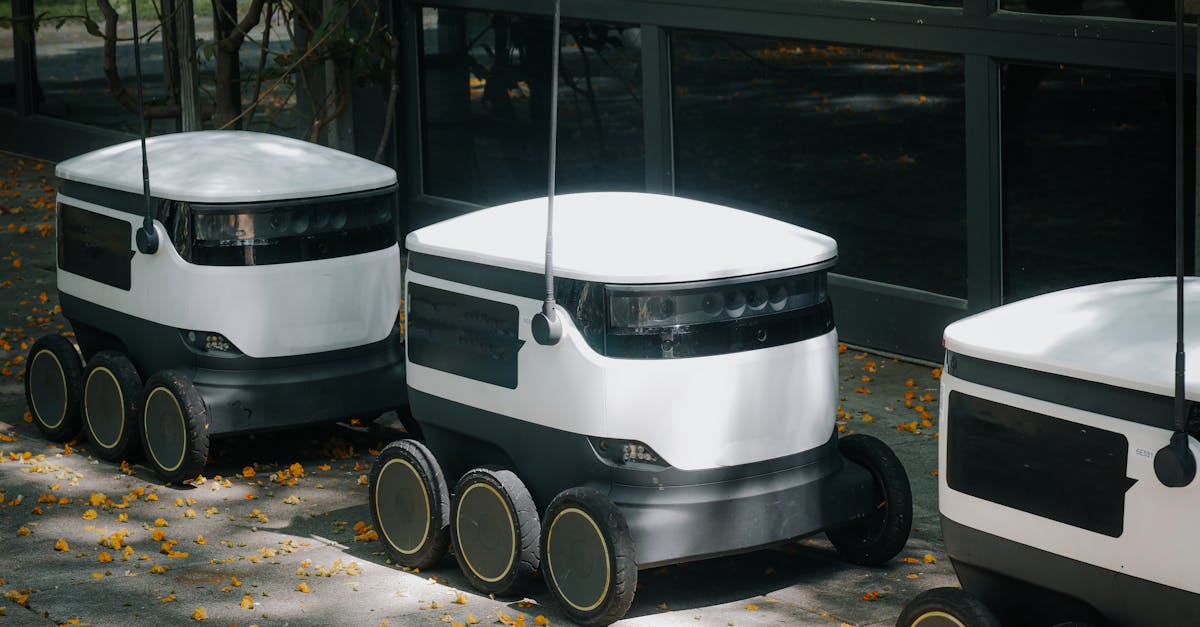
Revolutionizing Services with AI: How SaaS is Transforming Tech Solutions in 2026
Introduction: Is AI Changing the Face of Technology Services?
The tech industry in 2026 is witnessing an unprecedented transformation, driven by the rapid advancement and integration of Artificial Intelligence (AI) in Software as a Service (SaaS) solutions. Are businesses fully leveraging these enhanced capabilities?
Core Content
Unprecedented Automation
The foremost impact of AI in SaaS is automation. From customer support to logistics, AI-driven SaaS platforms are automating routine tasks, reducing human error, and accelerating operational efficiency. Not only do these solutions free up human resources for strategic operations, but they also ensure a seamless experience for end-users.
Scalable and Tailored Solutions
Thanks to AI, SaaS platforms now offer scalable and tailored services that meet specific business needs. Modern AI algorithms analyze vast datasets to customize user experiences, providing businesses with insights previously unimaginable. Organizations can expand or reduce services effortlessly, adapting to market demands with agility.
Predictive Analytics and Decision-Making
AI-enhanced SaaS enables businesses to harness sophisticated predictive analytics. Companies now predict market trends, customer behavior, and potential operational risks with greater accuracy. This insight empowers businesses to make informed decisions rapidly, giving them a decisive competitive edge.
Conclusion: The Future Outlook and Call to Action
The integration of AI into SaaS models not only revolutionizes the technology services landscape but also sets the stage for future innovations. Companies looking to stay ahead must embrace these technologies and invest in continuous learning and adaptation. For more insights and bespoke solutions on integrating AI into your business model, explore our expert-designed SaaS offerings.
Start your AI-driven transformation journey today by visiting our platform for a customized service demo!
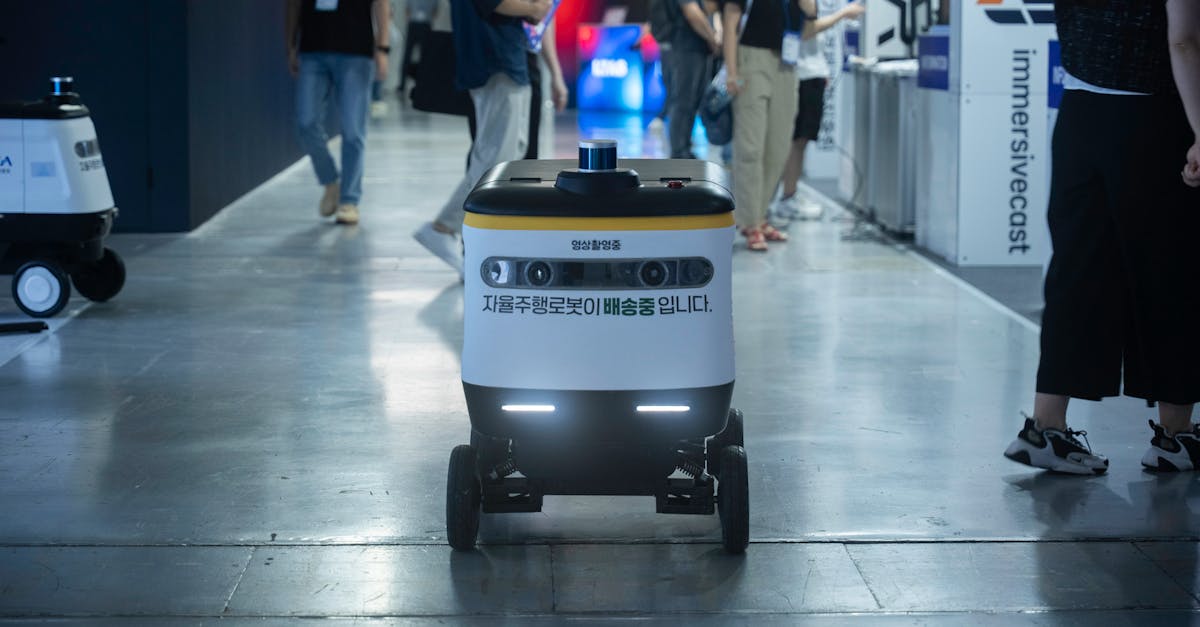
Revolutionizing Customer Experience: The Rise of Robotic Services
Have you ever wondered how robots are transforming the way services are delivered in various industries? As technology advances at a rapid pace, robotic services are becoming more integrated into our daily lives, enhancing efficiency and customer satisfaction.
The Growing Popularity of Robotic Services
Robots are no longer confined to manufacturing floors. Instead, they are rapidly making their way into the service sector, serving customers in novel and efficient ways. According to industry reports, the global market for service robots is expected to reach $23 billion by 2027. This growth is driven by advancements in AI, machine learning, and sensor technologies, enabling robots to perform a wide range of tasks.
Industries Benefiting from Robotic Services
Robotic services are reshaping various sectors:
- Healthcare: From surgery assisting robots to hospital logistics, robots are enhancing patient care and operational efficiency.
- Hospitality: Robotic concierges and room service bots are becoming common, offering 24/7 service without fatigue.
- Retail: Robots assist in inventory management, customer inquiries, and even checkout processes, providing seamless shopping experiences.
How Robotic Services Enhance Operational Efficiency
Robotic services offer numerous advantages such as consistency, accuracy, and cost savings. For example, robots can operate round-the-clock without breaks, significantly boosting productivity. Moreover, they reduce human error, ensuring high-quality output that is crucial in customer-facing roles.
Challenges and Considerations
Despite their benefits, integrating robotic services comes with challenges. These include high initial costs, technical maintenance, and potential job displacement. However, by upskilling workers and reframing job roles, companies can mitigate such issues and harness the full potential of robotic services.
Embracing the Future of Robotic Services
As we look toward the future, it is clear that robotic services will continue to evolve and innovate. Embracing these changes not only enhances business capabilities but also leads to richer customer experiences. For those contemplating the shift, now is the perfect time to explore how robots can transform your service delivery.
Call to Action: Explore how our AI Agent SaaS can seamlessly integrate robotic solutions into your business, transforming your service delivery and improving customer satisfaction.

Harnessing Data to Revolutionize Modern Catering Services
Introduction: How Data is Transforming the Catering Industry
Have you ever wondered how the catering industry keeps up with ever-changing consumer preferences and dietary trends? In today’s fast-paced world, data-driven strategies are paving the way for caterers to meet customer demands efficiently and innovatively. From personalizing menus to optimizing inventory, data is at the core of every successful catering service.
Embracing Data Analytics in Catering
1. Understanding Customer Preferences
One of the remarkable benefits of using data in catering is the ability to analyze customer feedback and preferences. By leveraging predictive analytics, caterers can customize their offerings to meet the unique taste profiles and dietary restrictions of their clients. This level of personalization not only enhances customer satisfaction but also builds trust and loyalty.
2. Optimizing Inventory and Reducing Waste
Food waste is a significant concern in the catering industry. By implementing data-driven inventory management systems, caterers can track usage patterns, predict demand, and minimize excess. This not only leads to cost savings but also promotes sustainability—an increasingly important consideration for today’s consumers.
3. Enhancing Operational Efficiency
Catering businesses can harness data to streamline their operations and improve efficiency. Advanced AI algorithms can forecast peak times, optimize staff scheduling, and manage supply chains effectively. Additionally, data analytics can assist in analyzing previous events to identify areas for improvement and plan future events more successfully.
Conclusion: Embracing a Data-Driven Future for Catering
The integration of data analytics in the catering industry is not just a trend—it is transforming how services are delivered and experienced. By leveraging data, caterers can provide unparalleled service, reduce costs, and ensure a sustainable future. For those in the catering industry, the message is clear: embrace data today to thrive tomorrow.
Call to Action: Looking to upgrade your catering business? Explore our AI-powered tools that can help you harness the full potential of data. Visit our website for more information.
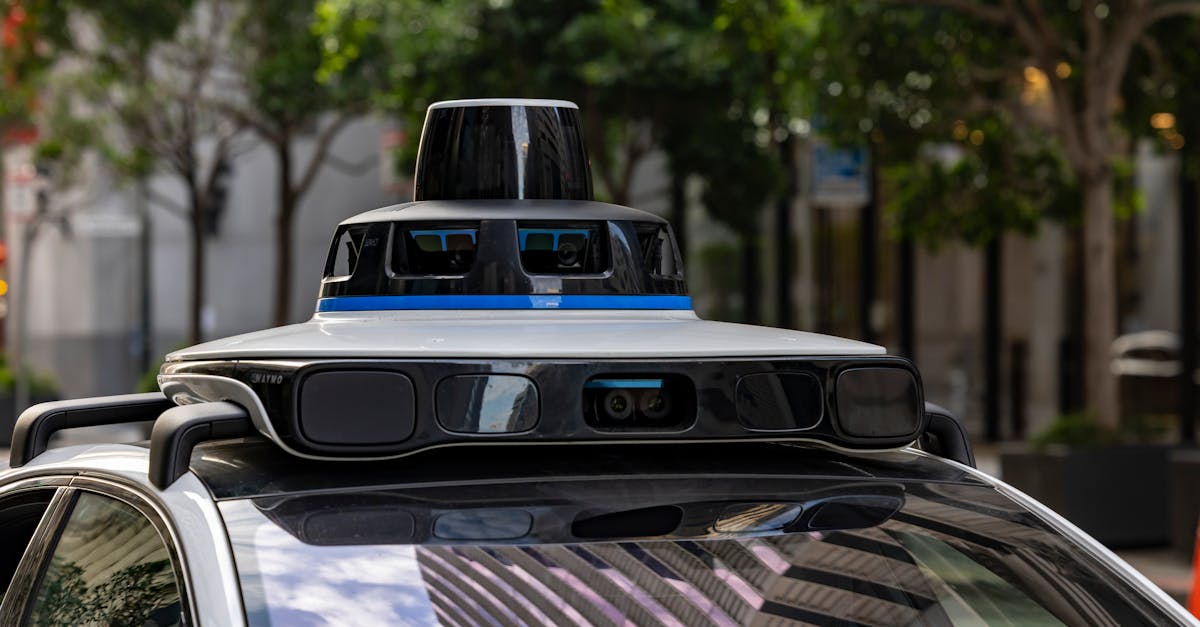
Revolutionizing Manufacturing: Autonomous Agents Paving the Future
How are autonomous agents transforming the manufacturing industry today? This question resonates with industry leaders as recent advancements bring AI-driven systems to the forefront of production floors worldwide.
Introduction to Autonomous Agents in Manufacturing
The manufacturing sector has always been a fertile ground for technological innovation. As autonomous agents become increasingly sophisticated, they are taking a pivotal role in modernizing processes, driving efficiency, and reducing operational costs.
1. The Integration of Autonomous Agents
Autonomous agents are digital entities capable of making independent decisions. In manufacturing, they are utilized for tasks such as furthering supply chain optimization, enhancing predictive maintenance, and ensuring seamless production line operations.
These systems help manufacturers identify bottlenecks, predict machine failures before they happen, and make real-time adjustments to maintain production efficacy.
2. Real-World Benefits and Market Implementation
The implementation of autonomous agents offers numerous advantages, including:
- Increased production flexibility.
- Reduced downtime and maintenance costs.
- Improved safety and reduced human error.
Companies like Tesla and BMW have already integrated these technologies, showcasing significant improvements in their manufacturing capabilities.
3. Overcoming Challenges
While autonomous agents hold tremendous promise, manufacturers face challenges in integrating these systems. Data privacy, security risks, and the need for significant upskilling are critical considerations. Additionally, aligning AI systems with specific production requirements can be complex.
Businesses must strategically plan their digital transformation journey and work closely with technology vendors to ensure successful deployment.
Conclusion
Autonomous agents are set to redefine the manufacturing industry, providing greater efficiency and innovation. As more companies embrace this technology, the sector will witness accelerated growth and competitiveness. To remain at the forefront, manufacturers should partner with AI experts and proactively address integration challenges.
Interested in how autonomous agents can elevate your manufacturing processes? Contact us for insights and a personalized consultation to kickstart your digital transformation journey.

How Autonomous Agents are Revolutionizing the Finance Sector in 2026
Introduction
In the rapidly evolving financial sector, the question isn’t whether autonomous agents are making an impact, but how they’re transforming the landscape. As we enter 2026, AI-driven technologies are not just tools; they are becoming indispensable allies. What key changes are these agents bringing to finance, and how are they reshaping financial strategies?
Enhancing Predictive Analytics
With the vast amount of data generated daily, finance professionals increasingly rely on autonomous agents for predictive analytics. These agents process complex datasets with unparalleled speed and accuracy, providing financial institutions with precise forecasts.
- Market Trends: Autonomous agents track and analyze real-time market data, enabling quicker strategic decisions.
- Risk Management: By identifying patterns and anomalies, these agents help in anticipating potential risks and devising mitigating strategies.
- Strategic Forecasting: Long-term financial planning becomes more robust with AI-driven insights, ensuring better alignment with market dynamics.
Automation in Financial Transactions
The efficiency brought by autonomous agents extends well beyond analytics. In financial transactions, these agents automate time-consuming processes, contributing to both speed and accuracy.
- Transaction Processing: Agents automate routine transactions, reducing human error and freeing up resources for more strategic tasks.
- Fraud Detection: AI tools can quickly flag suspicious activities, protecting clients and institutions from fraudulent transactions.
Personalized Customer Experiences
In today’s consumer-centric financial landscape, personalization is king. Autonomous agents use AI-driven personalization tactics to enhance customer experience.
- Custom Investment Advice: Agents analyze individual client data to provide tailored advice, optimizing investment strategies.
- Responsive Interactions: Through chatbots and virtual assistants, clients receive real-time assistance, enhancing engagement and satisfaction.
Conclusion
The integration of autonomous agents in finance is not merely about keeping pace with technology but harnessing it to its fullest potential. Financial institutions that adopt these innovations will lead the charge towards efficiency and enhanced client engagement. As an actionable step, consider evaluating your current systems to identify opportunities where autonomous agents can be integrated to improve performance and security.
For more insights into leveraging AI in your financial strategy, subscribe to our newsletter today!

Harnessing AI to Revolutionize HR: Transforming Hiring and Management in 2026
Introduction: Is AI the Future of Human Resources?
As we advance into 2026, the integration of AI in HR is not just a trend – it is becoming a staple. The question now is not if AI will change the HR landscape but how deeply it will transform processes from hiring to employee management. With companies striving to improve efficiency and make data-driven decisions, AI offers unprecedented opportunities for HR professionals.
AI in Recruitment: More Than Just Screening Resumes
The impact of AI on recruitment processes cannot be overstated. Here’s how companies are leveraging AI:
- Automated Screening: Sophisticated algorithms analyze resumes based on predetermined criteria, ensuring only qualified candidates move forward.
- Enhanced Skill Matching: AI tools identify not only hard skills but also soft skills and potential cultural fit, shortening the time to hire significantly.
- Diversity and Inclusion: AI systems are set to reduce unconscious bias by focusing solely on skill-based assessments and structured interviews.
Case Study: AI-Driven Success in Hiring
Consider the example of a leading tech firm that implemented AI to streamline its recruitment. They recorded a 30% reduction in time-to-hire and increased team diversity by 15%, demonstrating the tangible benefits of implementing AI-driven solutions.
Enhancing Employee Management with AI
Beyond hiring, AI also plays a vital role in employee management:
- Performance Monitoring: AI tools offer real-time performance analytics, enabling managers to provide timely feedback and support.
- Personalized Learning: Customized AI-driven learning platforms help employees acquire specific skills relevant to their roles and career growth.
- Chatbots for Employee Engagement: AI-powered chatbots enhance communication by providing instant answers to employee queries, increasing satisfaction and engagement.
Conclusion: The Strategic Advantage of AI in HR
The potential of AI in reshaping human resources is profound. Companies that embrace these technologies can expect improved efficiency, greater diversity, and enhanced employee engagement. As we move forward, the question remains how quickly HR departments can adapt to fully harness these capabilities. Businesses looking to remain competitive should consider integrating AI tools into their HR strategies sooner rather than later.
Call to Action: Are you ready to take your HR processes to the next level? Explore our AI solutions tailored for HR today and transform your hiring and management practices.
How AI is Revolutionizing Transportation Data Systems in 2026
Introduction
The transportation sector is experiencing a tremendous transformation powered by artificial intelligence (AI) in 2026. But how exactly is AI reshaping transport data systems, and what does this mean for cities and commuters worldwide? With real-time data analysis and predictive modeling, AI is not just enhancing efficiency but also reliability and sustainability.
Core Content
Enhancing Traffic Management with Real-Time Data
AI is instrumental in analyzing real-time traffic data to optimize traffic flow. Cities like Amsterdam and Seoul are successfully using AI-driven platforms that adjust traffic lights in response to live traffic conditions, significantly reducing congestion.
Improving Public Transport Efficiency
Public transport networks are leveraging AI to enhance service frequency and punctuality. AI algorithms predict passenger demand, allowing transport agencies to allocate resources more effectively. This not only minimizes wait times but also ensures a more comfortable commuting experience.
Facilitating Safer Autonomous Vehicles
Data collected and analyzed through AI enhances the safety features of autonomous vehicles. By processing vast amounts of sensor data, AI helps in navigation, obstacle detection, and decision-making processes, making autonomous transportation a viable and safe reality.
Conclusion
AI’s impact on transportation data systems is profound and multifaceted, offering improved traffic management, enhanced public transport services, and safer autonomous vehicles. For businesses and city planners, understanding and leveraging these advancements is essential. As technology evolves, so too does the potential for smarter, more efficient transportation solutions.
If you are interested in integrating AI solutions within your transportation infrastructure, contact us to learn how our AI Agent SaaS platform can assist in maximizing your data capabilities.