

How Automation is Revolutionizing Defense Systems in 2026
The Growing Role of Automation in Defense
In recent years, automation has become a cornerstone of modern defense strategies. As technology progresses, military forces worldwide are increasingly adopting automated systems to enhance efficiency and capability in various operational domains. But why is this shift happening now more than ever?
Enhanced Operational Efficiency
Automated systems streamline processes that traditionally required extensive human intervention. By integrating AI-driven automation, defense sectors can optimize logistics, maintenance, and intelligence analysis. This not only reduces human error but also accelerates decision-making, a critical factor in high-stakes environments.
Force Multiplication through Robotics
The deployment of autonomous drones and robots on the battlefield acts as a force multiplier, allowing militaries to accomplish more with fewer personnel. These automated machines can perform reconnaissance, surveillance, and even combat roles, enhancing situational awareness and increasing tactical options available to commanders.
Cyber Defense Automation
Cybersecurity threats are evolving at an unprecedented pace, making traditional reactive measures insufficient. Automation in cybersecurity allows for real-time monitoring and response to threats. AI systems can analyze patterns and detect anomalies faster than human operators, providing a robust layer of defense against cyberattacks.
Challenges and Considerations
Despite the advantages, integrating automation into defense systems poses challenges. Ethical considerations, such as the autonomy given to AI in lethal operations, remain a topic of intense debate. Moreover, there is a continuous need for skilled personnel to develop, maintain, and oversee these automated systems.
Insights for the Future
The evolution of automation in defense is inevitable and multifaceted. As technologies continue to advance, the potential for further innovation in autonomous systems is vast. However, a balanced approach that addresses ethical and practical considerations will be crucial to their successful integration.
For defense stakeholders and policymakers, staying informed and proactive in addressing these challenges will be key. Embrace the change, but do so with vigilance and foresight.
Next Steps: Consider how your organization can begin integrating automation into its defense strategies today. Stay ahead of the curve by investing in research and personnel training to harness the power of AI-driven automation effectively.

Revolutionizing Industries: How AI is Transforming Technology Trends in 2026
In 2026, the technology industry is undergoing rapid transformations driven by artificial intelligence. But how exactly is AI changing the landscape, and what trends should businesses pay attention to?
The Rise of AI-Driven Automation
One of the most significant impacts of AI in the technology industry is the proliferation of AI-driven automation. From manufacturing to customer service, automated systems are becoming more prevalent, enabling companies to increase efficiency and reduce costs.
Streamlining Manufacturing Processes
AI technologies are being integrated into manufacturing processes, making production lines more efficient and less prone to errors. Predictive maintenance, powered by AI, minimizes downtime and extends equipment lifespan.
Enhancing Customer Experiences
In the realm of customer service, AI chatbots and virtual assistants are transforming the way companies interact with their clients. These tools are not only available 24/7 but also provide personalized experiences that satisfy consumer needs.
AI in Data Analytics
The ability of AI to process vast amounts of data is revolutionizing how businesses make decisions. Advanced AI algorithms are capable of identifying patterns and insights that were previously undetectable.
Predictive Analytics
Companies are using AI for predictive analytics to forecast future trends and consumer behavior, giving them a competitive edge. This allows for better inventory management and targeted marketing strategies.
Real-Time Analytics
AI’s real-time processing capabilities enable businesses to react swiftly to changes in the market environment, ensuring swift adaptability to new trends.
AI-Powered Cybersecurity
As digital threats become more sophisticated, AI is playing a crucial role in enhancing cybersecurity measures across industries. AI systems can rapidly detect anomalies and potential security threats, significantly enhancing a company’s ability to protect its data.
Anomaly Detection
AI systems employed for cybersecurity can identify unusual patterns that might indicate a cyber threat, enabling quicker response times and threat mitigation.
Proactive Security Measures
AI-driven security algorithms evolve with new threats, allowing businesses to stay ahead of potential risks and better safeguard their digital assets.
Conclusion: Embracing the AI Revolution
In 2026, businesses that embrace AI technologies position themselves at the forefront of innovation. Whether through automation, enhanced data analytics, or bolstered cybersecurity measures, AI delivers unprecedented opportunities for growth and adaptation in the technology industry. To stay competitive, companies must actively pursue AI integration and trust in its transformative potential.
Are you ready to harness the power of AI for your business? Start exploring AI-driven solutions today and lead the charge into the future of technology.

Revolutionizing HR: How AI is Transforming Talent Management in 2026
Introduction
How is AI reshaping the landscape of Human Resources in 2026? With a growing emphasis on data-driven decision-making, AI is poised to address the longstanding challenges in talent management head-on. Let’s explore the latest trends and tools that are redefining the HR industry.
The Current AI Trends in Human Resources
1. Predictive Analytics for Recruitment
The integration of predictive analytics in recruitment processes allows HR teams to identify and attract the right candidates efficiently. By analyzing large datasets, AI can forecast trends in talent acquisition, significantly reducing the time to hire and improving employee retention rates.
2. AI-Driven Employee Engagement
Maintaining high levels of employee engagement is crucial for productivity. AI tools are now being used to gauge employee sentiment in real-time through various channels, providing actionable insights to tailor engagement strategies unique to each organization.
3. Personalized Learning and Development
AI’s ability to deliver personalized learning experiences is revolutionizing employee development. Machine learning algorithms can analyze individual learning patterns, enabling HR departments to create customized training programs that cater to the specific needs of their workforce.
Challenges and Considerations
- The ethical implications of AI in monitoring employee performance.
- Ensuring data privacy and compliance with regulatory standards.
- The potential bias in algorithmic decision-making.
Conclusion
As AI continues to evolve, its impact on human resources is undeniable. Organizations embracing these technologies are not only streamlining their HR operations but also unlocking new levels of efficiency and engagement. For those eager to stay at the forefront of these developments, now is the time to invest in AI-powered HR solutions. Explore our AI tools for a competitive edge in transforming your talent management strategies.
Learn more about our AI offerings and start transforming your HR today!

How Data-Driven Strategies are Revolutionizing the Catering Industry in 2026
Introduction
In today’s fast-paced catering landscape, the integration of sophisticated data analytics has become more pivotal than ever. Are you leveraging the full potential of data to transform your catering business?
The Rise of Data in Catering
1. Understanding Customer Preferences
Data analytics enables catering companies to delve deep into customer preferences by analyzing past orders, seasonality, and demographics. This insight helps in crafting personalized menus that resonate with clientele, boosting satisfaction and loyalty.
2. Optimizing Inventory Management
Inventory efficiency is a cornerstone of profitability in catering. By employing predictive analytics, businesses can forecast demand more accurately, reducing waste and optimizing stock levels. This not only conserves resources but also ensures fresh ingredients for every event.
3. Enhancing Operational Efficiency
Data aids in streamlining operations by identifying bottlenecks and areas for improvement. Automating scheduling, logistics, and supply chain processes with AI-driven solutions leads to improved operational efficiency and better resource management.
Conclusion: Harnessing Data for Competitive Advantage
In conclusion, as data continues to redefine the catering industry, companies that embrace these innovations will stand out in a crowded market. Whether it’s through refining customer engagement strategies or optimizing operations, data-driven decisions can unlock new levels of success. Ready to transform your catering business? Implement data analytics to stay ahead of the competition and deliver unparalleled service.
Call to Action: Start integrating a comprehensive data strategy in your catering operations today to revolutionize how you engage with clients and manage resources.

Harnessing AI in Entrepreneurship: A Game-Changer in Technology-Driven Startups
The rapid advancement of artificial intelligence (AI) is reshaping the landscape of entrepreneurship. But how are startup founders leveraging this powerful technology to disrupt markets and drive unprecedented growth?
AI: Empowering Entrepreneurs with Robust Tools
One of the most significant benefits AI provides to entrepreneurs is the ability to automate repetitive tasks, from data entry to customer service. This not only saves time and resources but also allows founders to focus on strategic growth areas.
Revolutionizing Market Research and Analysis
AI-driven tools offer unparalleled insights into market trends. They can analyze vast datasets to predict consumer behaviors and identify new business opportunities. This level of market intelligence was previously accessible only to large corporations with massive analytical departments.
Enhancing Product Development and Innovation
Innovation fueled by AI helps startups design and iterate products more efficiently. AI technologies such as machine learning and data mining offer iterative testing processes, enabling companies to innovate at speeds previously thought impossible.
AI and Customer Experience: A New Frontier
Customer interaction is another area where AI is making significant inroads. AI-powered chatbots and virtual assistants provide more personalized and efficient customer service. These tools not only enhance customer satisfaction but also drive higher retention rates.
Overcoming Challenges and Embracing Opportunities
Despite its potential, integrating AI into a startup presents challenges such as data privacy concerns and the need for specialized skills. However, these obstacles can be overcome with the right strategies, such as investing in the right talent and adhering to ethical AI guidelines.
For entrepreneurs, the opportunity is immense. Adopting AI not only positions startups competitively but also ensures they’re at the forefront of technological evolution.
Conclusion: Ignite Your Startup’s Potential with AI
Incorporating AI into your entrepreneurial journey is not just a trend but a transformative strategy. By leveraging AI, entrepreneurs can unlock new levels of efficiency, drive innovation, and mold customer experiences to perfection. Start today by exploring AI tools that fit your niche and propel your business forward.
Ready to transform your startup with AI? Embrace the future and see your entrepreneurial vision come to life. Reach out to us for the latest tools and strategies tailored to your unique needs.

How Automation is Revolutionizing the Movie Industry: Trends and Innovations in 2026
Automation: The New Director
In an era where time is money, the role of automation in filmmaking is more critical than ever. Have you ever wondered how movies are increasingly churned out with such precision and speed? The secret lies in cutting-edge automation technologies reshaping the industry.
The Role of AI in Scriptwriting
The creative process of scriptwriting is witnessing a transformation. With AI tools capable of generating scripts based on predefined parameters, filmmakers can now produce storylines that cater to audience preferences more efficiently. Automated story generation tools not only speed up pre-production but also open avenues for unique, diverse storytelling.
Virtual Production: The Future is Here
One of the most significant leaps in technology is in virtual production. With automation, directors can create entire worlds using virtual sets that require minimal physical resources. This technology, combined with LED stages, allows for real-time feedback and alterations, drastically cutting down production time and costs.
Automation in Post-Production
Post-production has historically been one of the most time-consuming aspects of filmmaking. However, with the rise of automated editing software, tasks like video editing, color correction, and special effects integration can now be completed in a fraction of the time.
Conclusion: Automation’s Impact on Creativity and Efficiency
The integration of automation in the movie industry not only enhances efficiency but also fuels creativity, allowing filmmakers to push the boundaries of storytelling. As technology continues to evolve, we can expect more immersive and innovative cinematic experiences.
Interested in learning how these trends can be applied to your own projects? Contact us for a demo.
How AI is Reshaping the Future of Industries: Insights from 2026
Artificial Intelligence (AI) has transcended its role as a technological marvel to become a pivotal force driving change across diverse sectors. But the question remains: how is AI revolutionizing industries today, and what can we expect in the near future?
1. Transforming Manufacturing with Smart Automation
The manufacturing industry is experiencing a significant upgrade with AI-driven smart automation systems. These systems are not only enhancing production efficiency but also enabling predictive maintenance and reducing downtime. Companies that have adopted AI technologies report a drastic reduction in operational costs and an increase in output quality.
Key Benefits of AI in Manufacturing
- Real-time monitoring and quality control
- Enhanced predictive maintenance reducing machine downtime
- Streamlined supply chain management
2. Revolutionizing Healthcare Through Predictive Analytics
In the healthcare sector, AI’s potential is swiftly being realized through advanced predictive analytics. With AI’s capability to analyze vast amounts of data rapidly, healthcare providers can predict patient outcomes more accurately and personalize treatment plans.
Impacts on Patient Care
- Improved diagnostic accuracy
- Personalized medicine based on genetic information
- Early detection of potential epidemics
3. Financial Services Leverage AI for Enhanced Decision Making
The financial industry continues to utilize AI for enhancing decision-making processes and improving customer service. From fraud detection systems to AI-powered financial advisories, these advancements are making significant strides.
Streamlining Financial Operations
- Fraud detection through anomaly detection algorithms
- Investment insights powered by data analytics
- 24/7 customer support through AI chatbots
Conclusion
It is clear that AI’s influence is reshaping the landscapes of multiple sectors, offering unprecedented opportunities for efficiency and innovation. Industries investing in AI technologies today are not just preparing for the future; they are actively shaping it. Businesses must embrace these changes to remain competitive and meet the evolving demands of their customers.
If you’re an industry leader, start integrating AI solutions into your operational strategy to leverage these advancements. Contact us to discover how our AI-driven services can propel your business into the future.
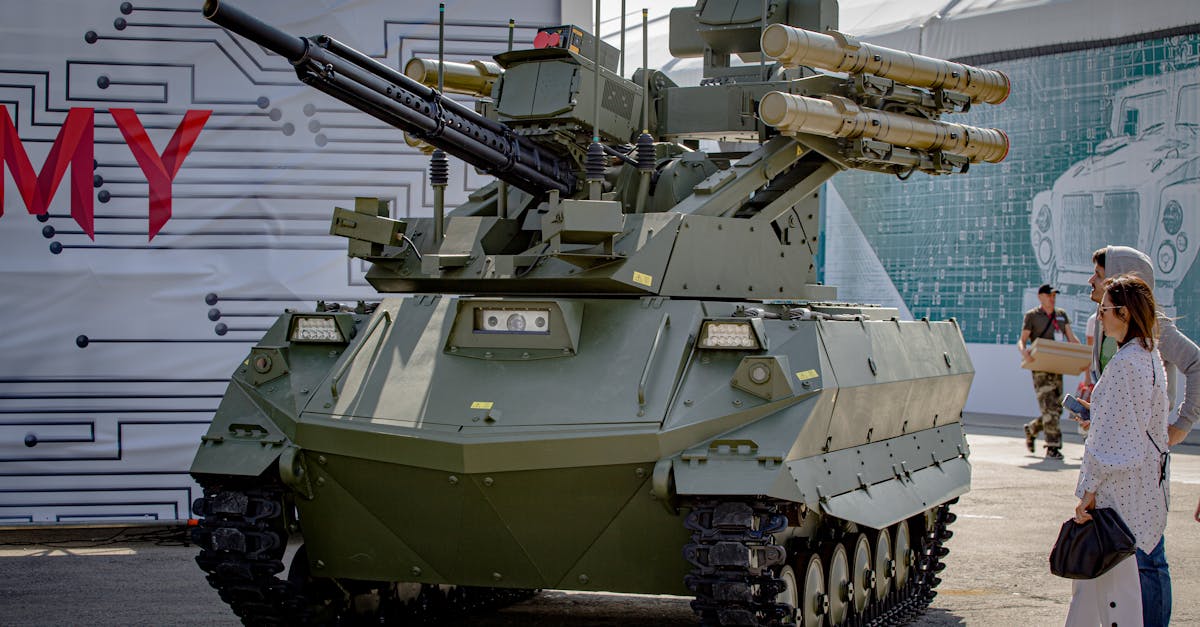
Revolutionizing Defence: How Automation is Transforming Military Operations in 2026
As global tensions rise and defense budgets expand, nations are increasingly turning to automation to enhance military capabilities. But how exactly is this technology reshaping the battlefield?
The Integration of Autonomous Systems in Defense
In recent years, the defense sector has seen a rapid deployment of autonomous systems ranging from unmanned aerial vehicles (UAVs) to robotic ground units. These systems are redefining strategies by carrying out surveillance, reconnaissance, and even offensive operations without putting human lives at risk.
Some key areas where automation is being integrated include:
- Unmanned Aerial Systems: Modern UAVs are equipped with advanced AI, enabling them to operate with minimal human intervention.
- Robotic Combat Units: Ground robots are being used for explosive ordnance disposal and tactical maneuvers.
- Cyber Defense Automation: AI-driven systems are crucial in detecting and mitigating cyber threats in real-time.
Challenges and Ethical Considerations
While automation presents numerous advantages, it also poses significant challenges. Concerns over the ethical use of autonomous weapons and the potential for errors leading to unintended conflict are critical considerations for defense policymakers.
Regulatory Challenges
The rapid pace of technological advancement has outstripped existing regulatory frameworks, necessitating new laws and standards to ensure the responsible use of automation in military contexts.
The Future of Automated Defense
Looking ahead, the future of military operations will likely be a hybrid model, combining human expertise with machine efficiency. Strategic use of AI in command and control systems could revolutionize decision-making processes, leading to faster and more effective responses to threats.
The deployment of automation in defense is not just about enhancing firepower—it’s about creating a safer, more efficient, and strategic military force capable of adapting to the complexities of modern warfare.
Concluding Thoughts and Call to Action
Automation is undeniably reshaping the defense landscape, offering formidable advantages while also posing ethical dilemmas. As we continue to advance these technologies, it is essential for stakeholders, including military leaders, policymakers, and technology developers, to work collaboratively in guiding their responsible use.
For more insights on how automation is impacting other industries, subscribe to our newsletter and stay updated with the latest trends and analyses.

Exploring the Portrayal of Autonomous Agents in Modern Cinema
Have you noticed the rise of autonomous agents in films lately? As technology increasingly mimics life, movies are reflecting this paradigm shift. But how are these AI-driven characters shaping our perceptions, and what does the future hold for such portrayals in cinema?
The Rise of Autonomous Agents in Film
Autonomous agents have moved beyond the realm of science fiction into mainstream cinema. Films now incorporate these AI characters in roles that challenge tradition, offering both awe and anxiety to their audiences.
Killer Machines or Sentient Companions?
Movies like ‘Ex Machina’ and ‘Her’ depict AI systems with incredibly realistic human qualities, exploring the boundaries between man and machine. While some portrayals warn of the dangers of unchecked AI power, others suggest unprecedented companionship and understanding.
Narrative Drivers: The Impact of AI on Plot and Theme
The integration of autonomous agents often serves as a crucial narrative device. In ‘Blade Runner 2049’, the distinction between human and machine blurs, provoking thought about identity and existence. These films challenge viewers to rethink traditional narratives and anticipate future societal changes.
Realism Meets Cinema: Technological Advances
As real-world AI technology advances, the cinematic depiction grows more sophisticated. Realistic AI characters on screen are more plausible thanks to innovations in digital effects and animation, inviting audiences to suspend disbelief and engage with the story.
What the Future Holds for AI in Movies
The cinematic future of autonomous agents promises to delve deeper into moral and ethical questions surrounding AI. As technology evolves, both the filmmaking industry and audiences continue to reassess the boundaries of what AI can and should do.
With these rapid advancements, filmmakers have a unique opportunity to explore and express the implications of AI, offering viewers a lens into potential futures. As this trend continues, we can expect more innovative and thought-provoking portrayals that challenge our understanding of both the digital and real world.
Call to Action: Stay tuned to our blog for more insights into how advancements in AI technology are reshaping various creative domains, including film.

¿Cómo Mejora la Estrategia Reputacional tu Gestión de Stakeholders en 2026?
Introducción
En un mundo donde la reputación de la marca es más valiosa que nunca, las empresas deben preguntarse: ¿Está su estrategia reputacional alineada con las expectativas de sus stakeholders? En 2026, gestionar de manera efectiva a estas partes interesadas es crucial para mantener una narrativa corporativa coherente y un impacto significativo en ESG.
La Importancia de una Estrategia Reputacional Sólida
1. Construir Confianza y Lealtad
Una sólida estrategia reputacional no solo mejora la percepción de tu marca, sino que también construye confianza y lealtad, aspectos esenciales para mantener relaciones constructivas con los stakeholders. Las empresas deben ser transparentes y comprometidas con sus valores corporativos.
2. Alinear Acciones Corporativas con ESG
Incorporar prácticas de ESG en tu narrativa corporativa puede ser un diferenciador clave. Las empresas que integran de manera genuina los factores ambientales, sociales y de gobernanza en su plan estratégico disfrutan de una mejor reputación y mayor interés de los stakeholders.
3. Comunicación Efectiva con Stakeholders
Con una adecuada estrategia de comunicación, las empresas pueden involucrar a sus stakeholders más efectivamente. Esto incluye establecer canales de comunicación abiertos, ser transparentes en las acciones y decisiones, y demostrar un compromiso sincero hacia la mejora continua.
Conclusión
En 2026, la gestión de tu reputación no solo se trata de evitar crisis, sino de formar relaciones genuinas con tus stakeholders mediante una narrativa corporativa fuerte y un compromiso palpable con los principios de ESG. No subestimes el poder de una gestión proactiva y estratégicamente alineada.
¿Listo para transformar tu enfoque en la gestión reputacional? Contáctanos hoy para llevar tu branding al siguiente nivel.