
How AI is Revolutionizing Transportation Data Systems in 2026
Introduction
The transportation sector is experiencing a tremendous transformation powered by artificial intelligence (AI) in 2026. But how exactly is AI reshaping transport data systems, and what does this mean for cities and commuters worldwide? With real-time data analysis and predictive modeling, AI is not just enhancing efficiency but also reliability and sustainability.
Core Content
Enhancing Traffic Management with Real-Time Data
AI is instrumental in analyzing real-time traffic data to optimize traffic flow. Cities like Amsterdam and Seoul are successfully using AI-driven platforms that adjust traffic lights in response to live traffic conditions, significantly reducing congestion.
Improving Public Transport Efficiency
Public transport networks are leveraging AI to enhance service frequency and punctuality. AI algorithms predict passenger demand, allowing transport agencies to allocate resources more effectively. This not only minimizes wait times but also ensures a more comfortable commuting experience.
Facilitating Safer Autonomous Vehicles
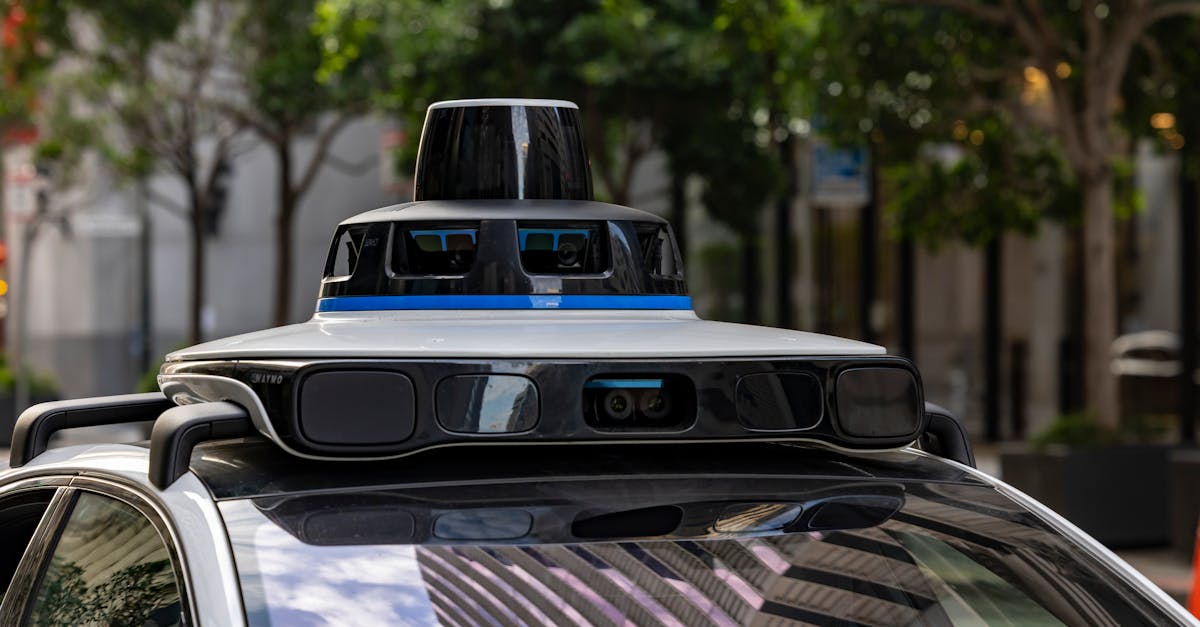
Data collected and analyzed through AI enhances the safety features of autonomous vehicles. By processing vast amounts of sensor data, AI helps in navigation, obstacle detection, and decision-making processes, making autonomous transportation a viable and safe reality.
Conclusion
AI’s impact on transportation data systems is profound and multifaceted, offering improved traffic management, enhanced public transport services, and safer autonomous vehicles. For businesses and city planners, understanding and leveraging these advancements is essential. As technology evolves, so too does the potential for smarter, more efficient transportation solutions.
If you are interested in integrating AI solutions within your transportation infrastructure, contact us to learn how our AI Agent SaaS platform can assist in maximizing your data capabilities.